Safety Nightmares: 5 Frights That Keep EHS Managers Up at Night

Halloween might be the season for ghost stories and haunted houses, but for safety and environmental professionals, the real nightmares happen at work. From unseen hazards to data disasters, these frights are all too real. At SEA, we help EHS managers conquer their fears — and their risks — with smart, proactive solutions that turn horror stories into success stories.


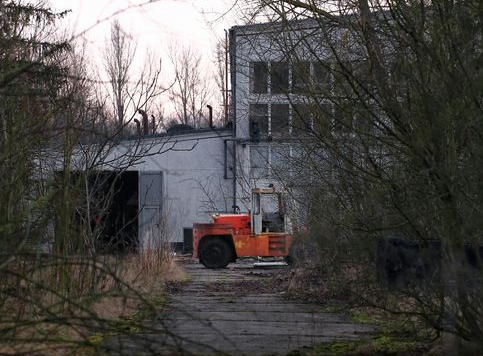
1. The Phantom Forklift

Forklifts that appear out of nowhere, untrained operators speeding through aisles, and pedestrians walking blindly into danger — this is the classic nightmare. Each year, thousands of preventable injuries occur due to poor forklift traffic control and limited visibility. SEA can conduct comprehensive forklift Driver and Pedestrian safety training, explaining visual traffic and pedestrian zones that eliminate these near misses for good.

2. The Toxic Fog

A faint odor, a cough, a haze in the air — the warning signs of poor ventilation or chemical mismanagement are often ignored until it’s too late. Prolonged exposure to airborne toxins can create long-term health issues and compliance violations. SEA offers industrial hygiene assessments, ventilation audits, and air-quality monitoring programs that uncover hidden exposure risks and establish corrective action before the “fog” thickens.


3. The Invisible Noise

You can’t see it, but you can feel it — constant noise exposure leading to gradual hearing loss. Often overlooked, excessive decibel levels silently erode worker health and concentration. Through noise exposure mapping, sound-level monitoring, and PPE selection programs and training, SEA can help reduce exposure and build awareness among your workforces.

4. The Confined Space Curse

Dark, cramped, and often forgotten — confined spaces are among the deadliest work environments when unmonitored. Lack of ventilation, poor atmospheric testing, and inadequate rescue plans lead to tragedy. SEA delivers confined space entry training, Confined Space assessments, and Program development to protect entering hazardous spaces.

5. The Complacency Curse

Even the best-run facilities have blind spots — areas where policies look good on paper but fail in practice. These “safety gaps” lurk in the shadows of daily operations: missing documentation, inconsistent procedures, or training programs that haven’t kept pace with new equipment or processes. At SEA we specialize in comprehensive Safety Gap Analyses that shine a light on what’s hiding in plain sight. Our consultants review every layer of your safety management system — from policy to practice — benchmarking against OSHA, ISO 45001, and industry best standards.



Face Your Fears with Confidence

At Safety and Environmental Associates, we believe that fear can be transformed into focus. Every “fright” on this list represents an opportunity to improve, protect, and grow. Whether it’s a haunting hazard assessment or a complete EHS program overhaul, our consultants are ready to help you face what’s lurking in your facility — and emerge stronger, safer, and fully compliant. Contact us today for a Safety & Compliance Consultation. Together, we’ll turn your nightmares into measurable results — and make sure your only scares this October are the fun kind!


Call Today
By Keina Jennings March 12, 2026
A Quick Guide for Industrial and Manufacturing Facilities By Keina Jennings, CEO/CFO, SEA
By Don Harkness March 12, 2026
By Don Harkness, East Coast Regional Manager, SEA Ladder Inspection Safety At-A-Glance Ladders of all types are useful in the workplace. They are tools that allow workers to safely reach another level. Working at elevated levels poses plenty of risks, ones that have been covered in many regulatory training courses you have attended. Walking, Working Surfaces and Fall protection all focus heavily on the different hazards, of which SEA would be honored to share with you, but today, I want to focus on what needs to happen prior to using the ladder. The Right Tool for the Job And make no mistake, ladders are tools, and only perform as well as we, the operators, allow them to. So, what do we need to consider when picking the right ladder for our job? Several key factors include, but aren’t limited to: What are we doing? What style do you need? Step Ladders, extension ladders, and platform ladders all serve different purposes! What is the weight limit of my ladder? Note that the weight limit includes you and all the tools/equipment you are wearing, including fall protection! What height do I need my ladder to be? Ladders come in all shapes and sizes, so ensure you pick one that allows you to not put yourself at risk, even if it takes a little extra time to go and get it! What material should my ladder be made of? Most ladders are fiberglass but also come in several other materials. Make sure you plan for the task and don’t pick a metal ladder when working with electricity, for example The Most Important Step After choosing the ladder for our task, we need to perform an all-around inspection of the ladder. How often do we need to perform this inspection? Does it need to be documented? Ladders must be inspected before every use to ensure that no damage has occurred. As far as documentation goes, it is required that a documented inspection occur once a year, but your company policy can dictate more frequent documented inspections.
By Alison Jennings March 9, 2026
By Alison Jennings, VP Operations, SEA Sometimes it takes a real-life moment to remind us how quickly routine tasks can turn into injuries. Recently, I had a reminder of just how quickly something simple can turn into an injury. I was hanging a picture frame at home. Nothing complicated—just one of those quick projects you knock out in a few minutes. I picked the frame up by the sides to move it into position. As I lifted it, the bottom of the frame suddenly gave out. The glass dropped straight down and landed directly on the top of my bare foot. Within seconds, what started as a simple task turned into a trip to urgent care. The cut was deep enough that I ended up needing eight stitches. Looking back, there were a few things I didn’t think about in that moment. I was barefoot. I didn’t consider the possibility that the frame might break. I didn’t think about what could happen if the glass slipped or fell. It really wasn’t a dangerous job. I wasn’t using power tools or heavy equipment. I was just hanging a picture. But that’s the reality of many injuries—they don’t happen during obviously dangerous activities. They happen during everyday tasks when we assume nothing will go wrong.
Show More